
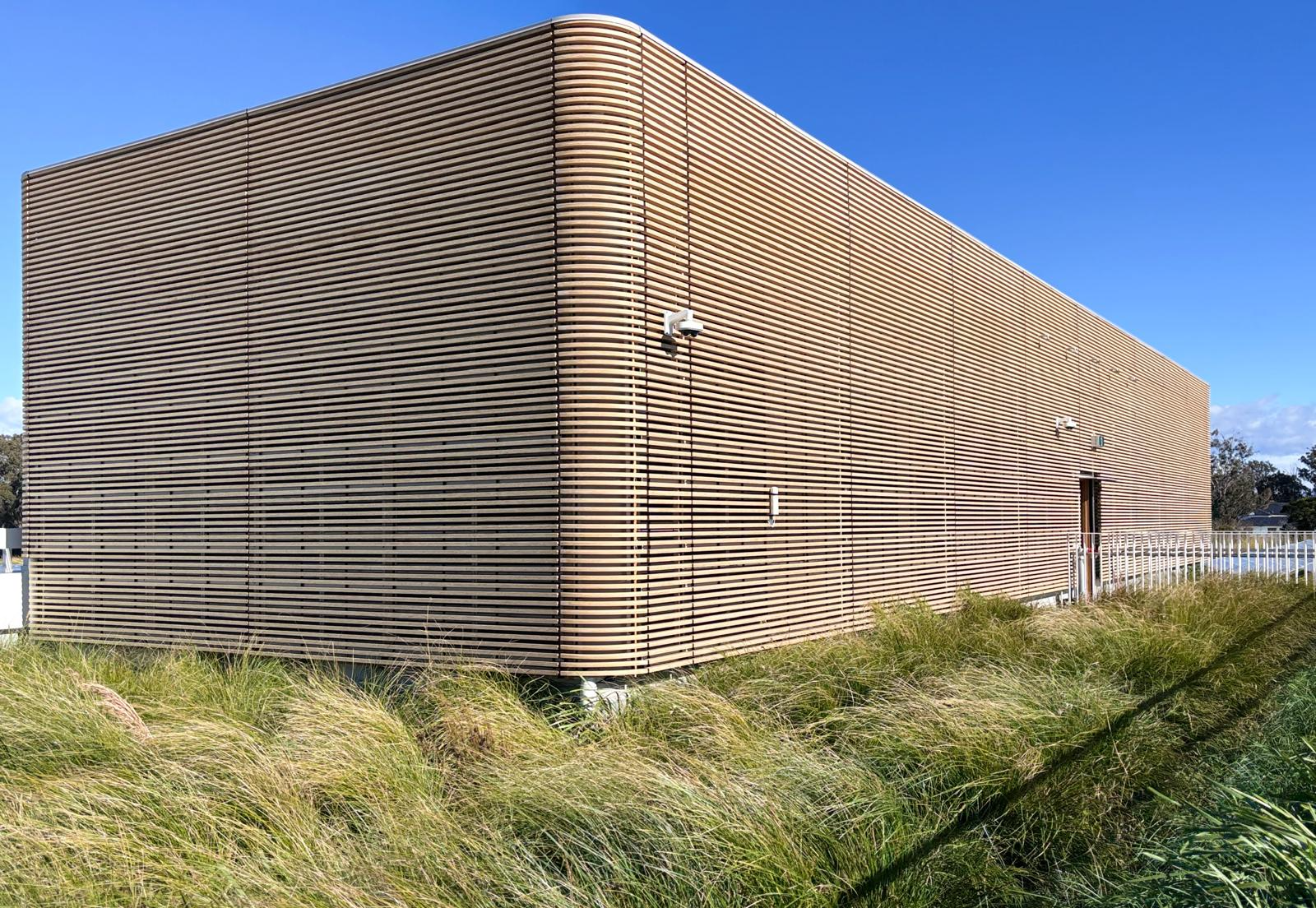
Housing
Australia needs 225,400 new homes yearly to 2034, while timber costs have risen 30% since 2020, straining supply chains nationally.
The Opportunity
Australia needs more housing, lower-carbon building materials, stronger domestic manufacturing and new opportunities for regional economies. Structural engineered bamboo has the potential to contribute to all four.
Why now?
Australia needs 225,400 new homes yearly to 2034, while timber costs have risen 30% since 2020, straining supply chains nationally.
Embodied carbon from building is 10% of Australia's emissions; net zero demands a 60% cut in embodied carbon by 2035.
Australia imports up to 40% of its timber and virtually all engineered bamboo, exposing supply chains to global price shocks.
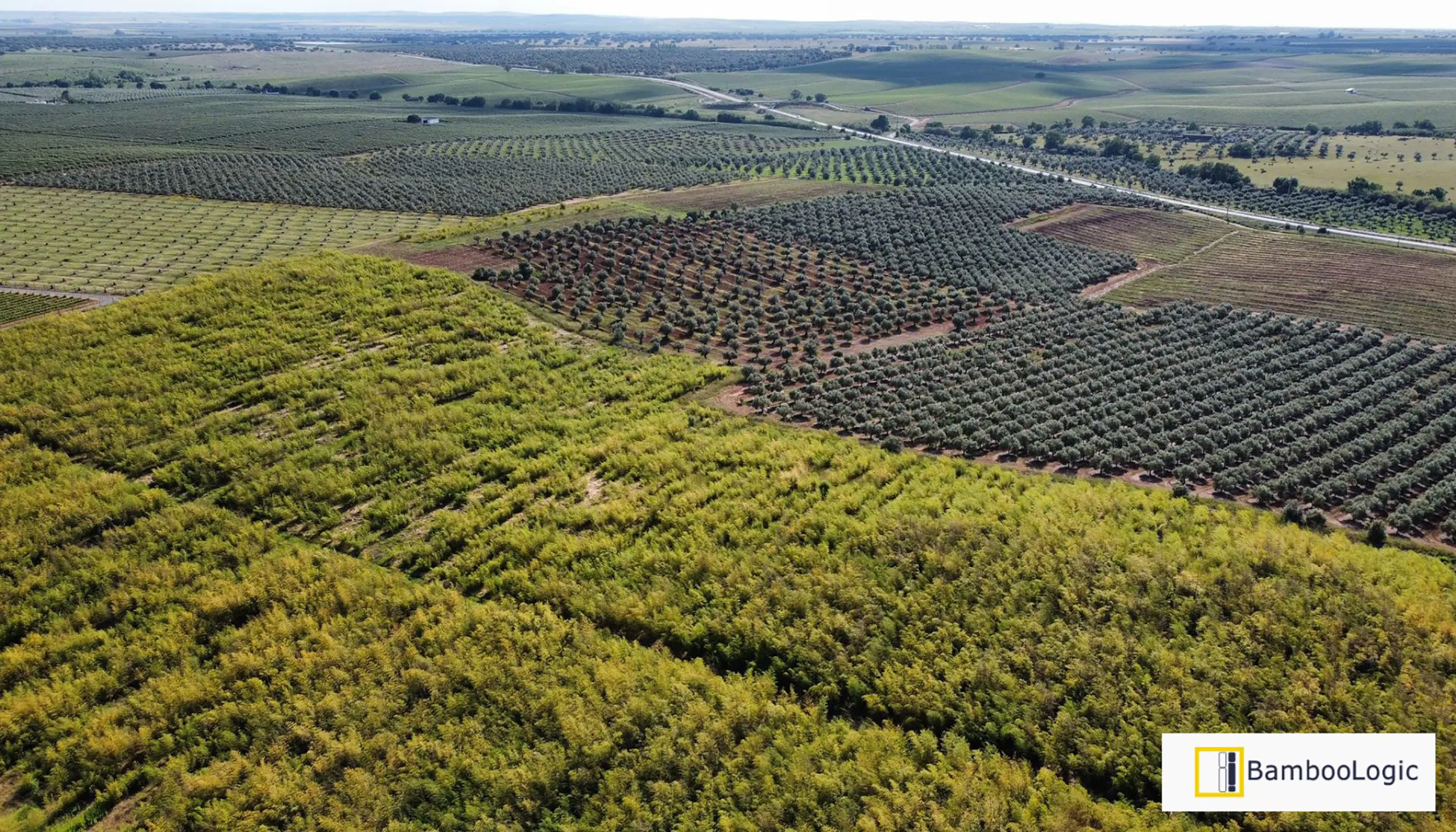
Sugarcane decline and mill closures, like Mossman's, have cost regional jobs, leaving farming communities searching for new industries and incomes.
Why engineered bamboo?
Engineered bamboo combines the characteristics of a rapidly renewable agricultural crop with the performance required for modern building products.

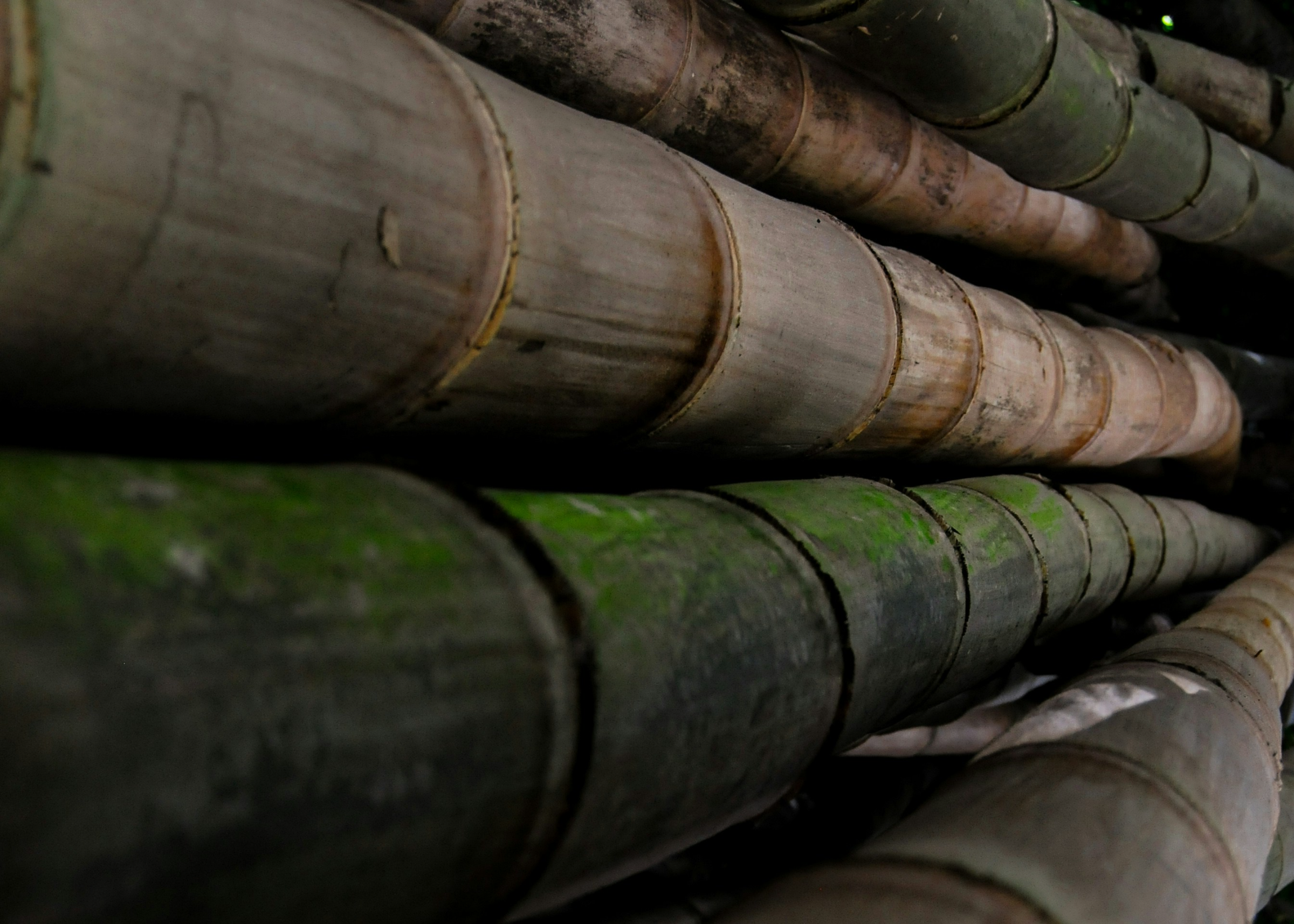
Bamboo as a crop
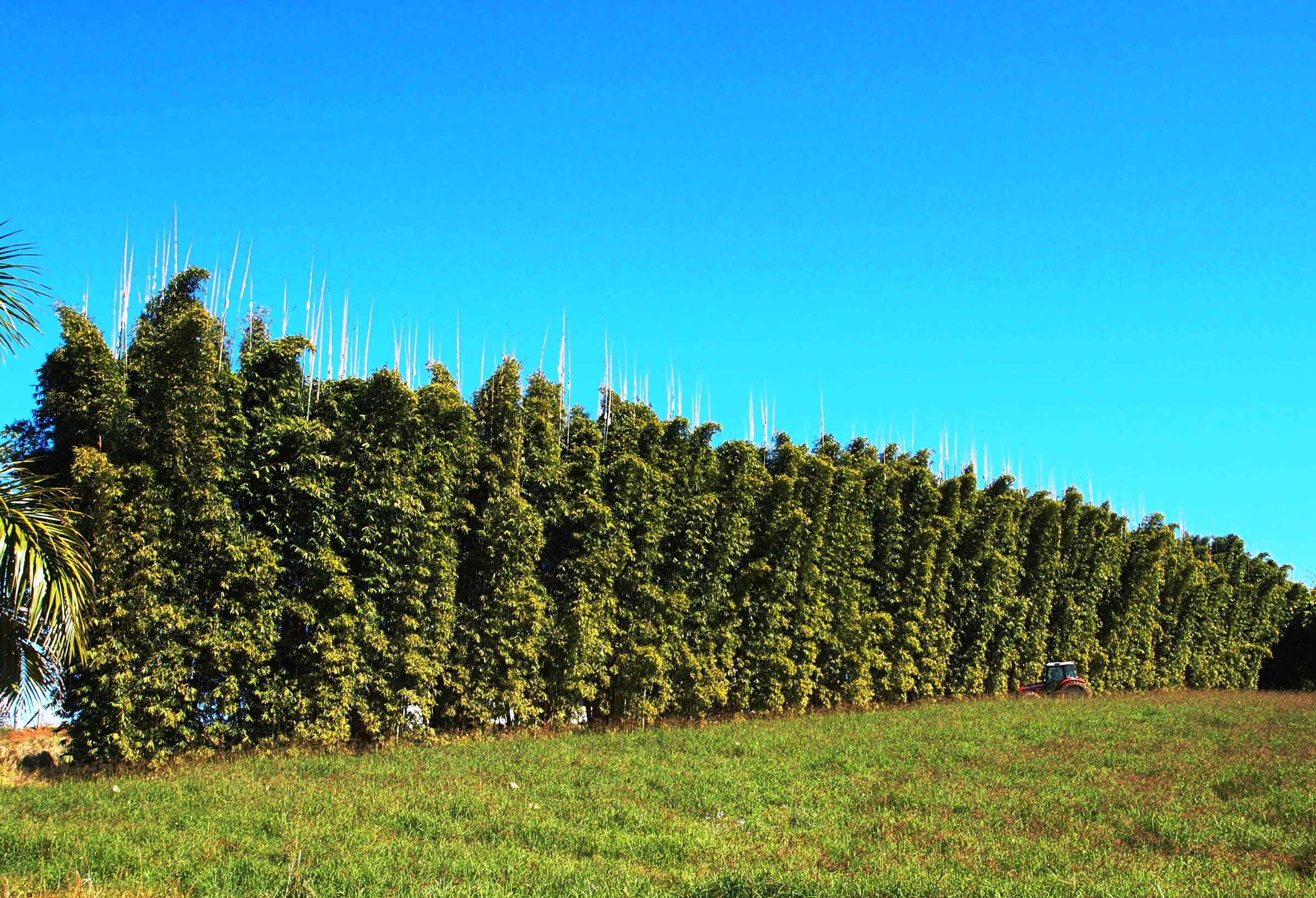
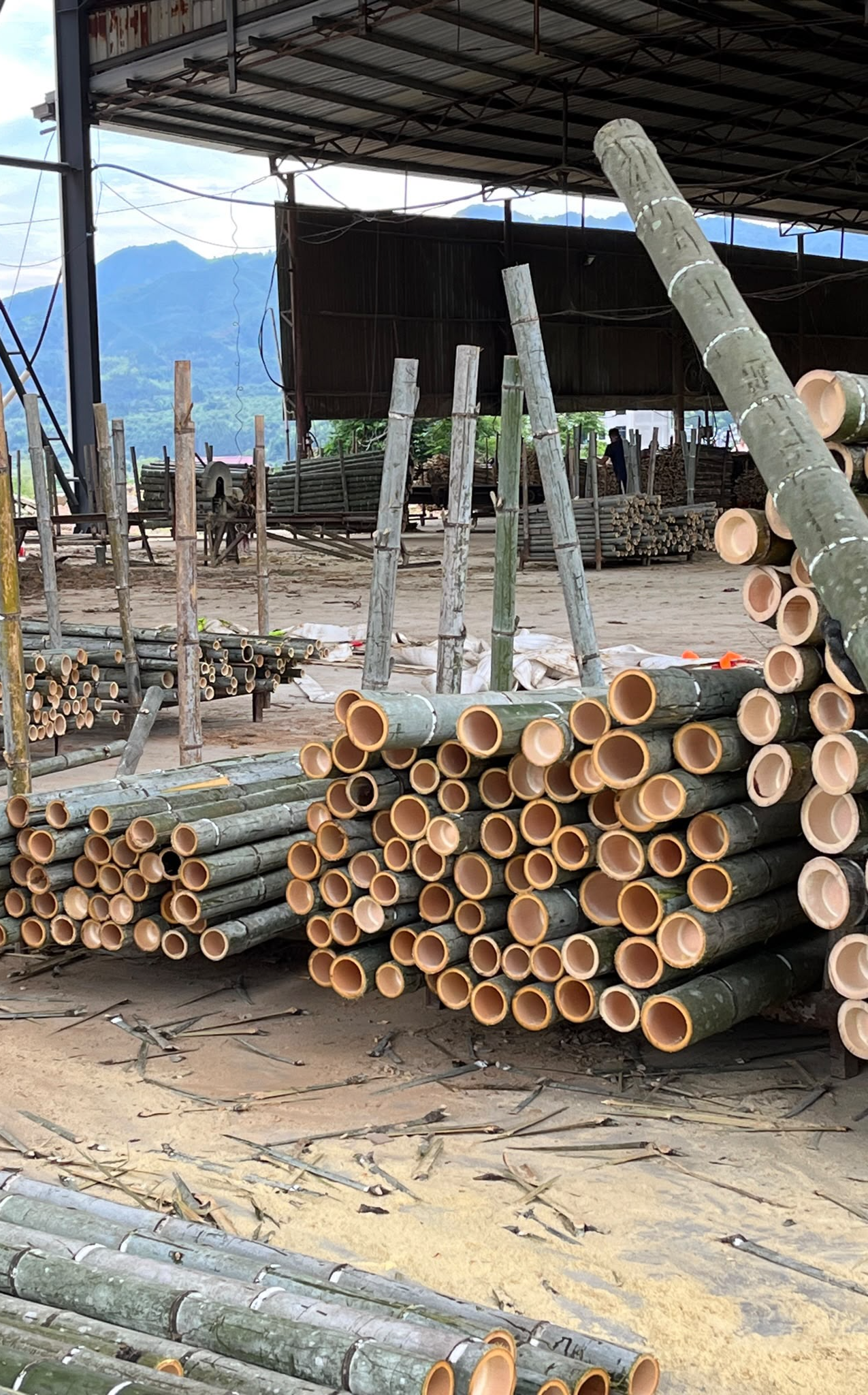
Has a 5–7 year growth cycle. Once mature, culms are selectively harvested above ground each year, leaving the rhizome and root system intact. Also suitable for intercropping.
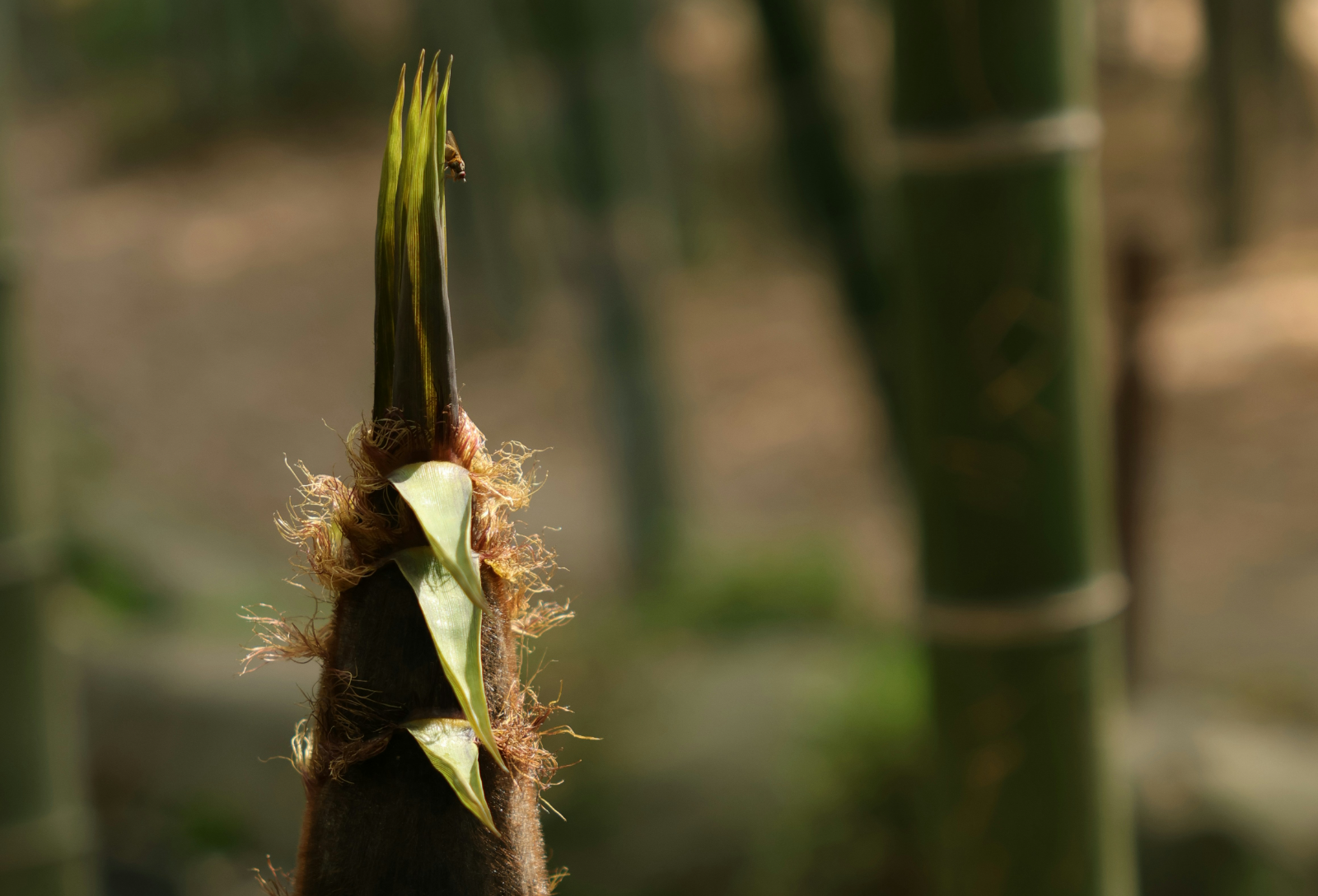
New shoots emerge each year after harvest, creating a continuous renewable supply.
Only non-invasive clumping species are proposed for Australian plantations, growing in tight clusters that are straightforward to manage.
Suitable species can be grown across a range of Australian climatic conditions, though site selection and species choice need to account for local drought, cyclone and fire risk.
Dense rhizome root systems stabilise soil, while carefully selected species help restore degraded land and recover biodiversity across affected sites.
Water demand is highest in the first three to five years and requires a dedicated water plan. Once established, plantations can help regulate water flow, reduce runoff and improve infiltration.
Construction, interiors, furniture, textiles, biochar and bio-based fuels.
Mature bamboo plantations can store between 94 and 392 tonnes of carbon per hectare, varying by species, climate, soil and management.
Potential plantation areas
The roadmap identifies a range of potential plantation areas across Australia, including agricultural regions undergoing transition and locations where existing infrastructure may support future production and processing.

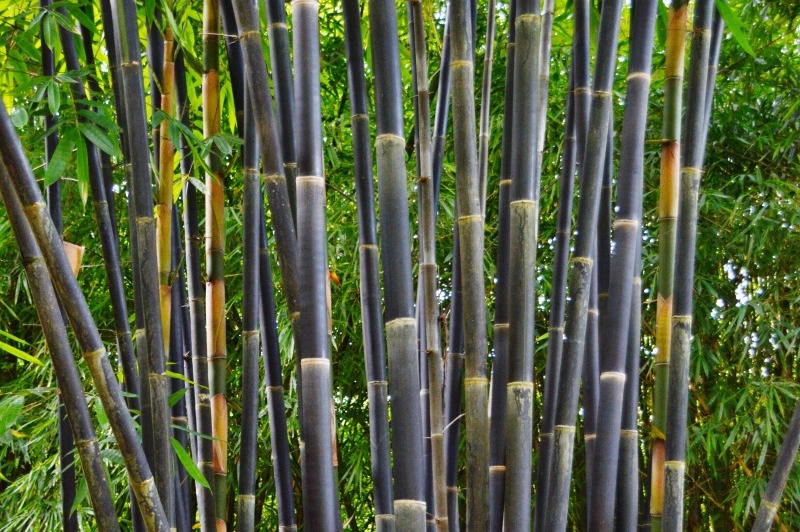
Economic opportunity
Independent economic analysis by Deloitte Access Economics modelled the potential scale of Australia's structural engineered bamboo industry. The figures below reflect the high-growth scenario to 2035.
Potential annual market value, 2035
Contribution to GDP
Additional jobs
Of direct employment from manufacturing rather than plantations
Average annual gross value add to construction
NSW annual market opportunity, around 30% of the national market
Where the value is created
As the industry develops, value moves through processing, advanced manufacturing, transport, professional services and construction. The economic opportunity extends well beyond plantations.
Plantations established on degraded and transitioning agricultural land.
Selective annual harvesting of mature culms, leaving the root system intact.
Chipping, drying and preparation, adapting sugarcane and timber infrastructure.
Beams, panels, flooring, cladding and prefabricated building systems.
Housing, commercial and public projects using lower-carbon structural material.
Global context
Engineered bamboo industries are developing across Asia and other international markets, with bamboo increasingly being used in structural products, interiors and construction systems. Australia currently relies heavily on imported engineered bamboo and has yet to develop a coordinated domestic structural industry.
Countries including China, Vietnam, Indonesia, India, Brazil and the Philippines are among those building industry capability.
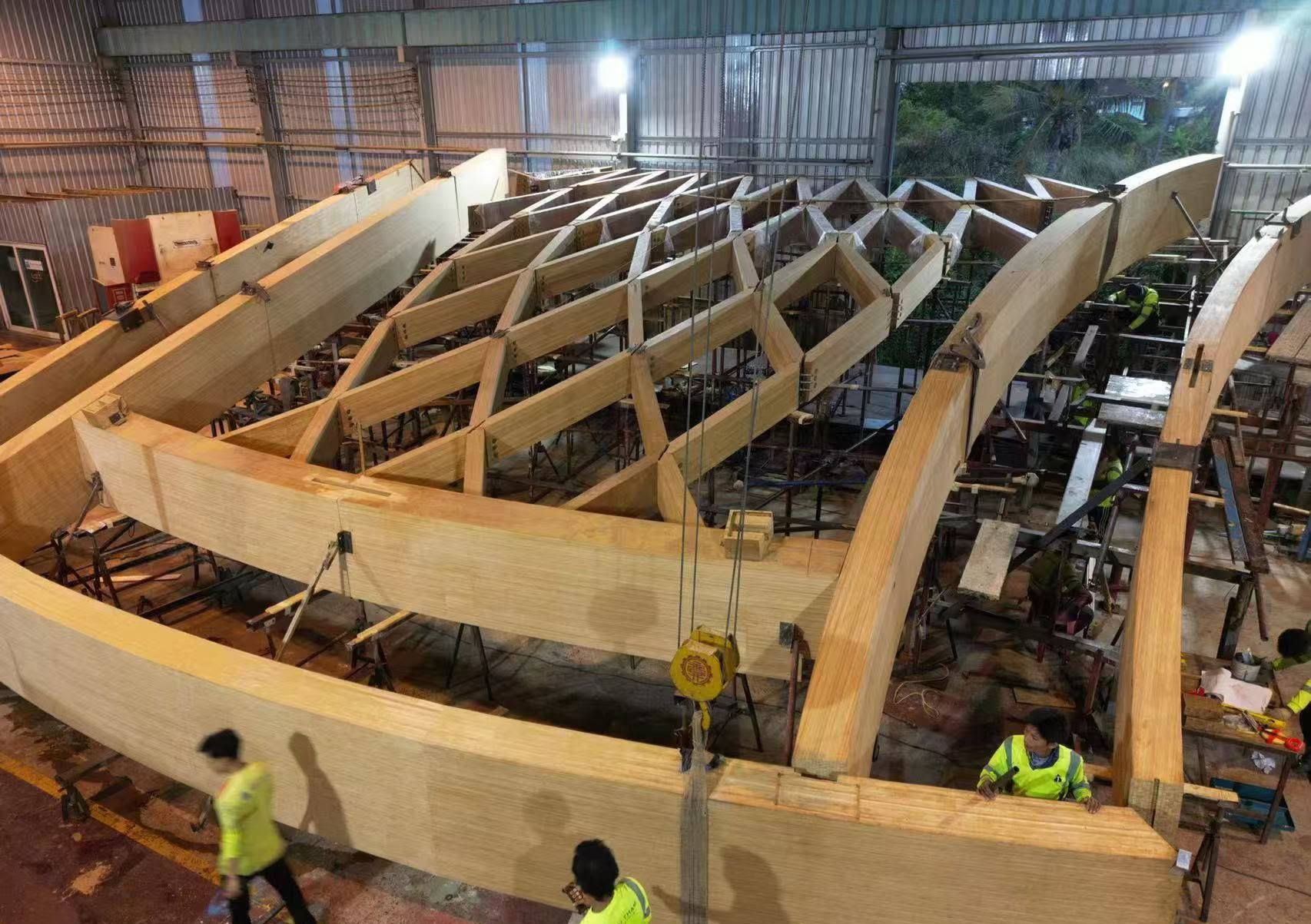
Built here already
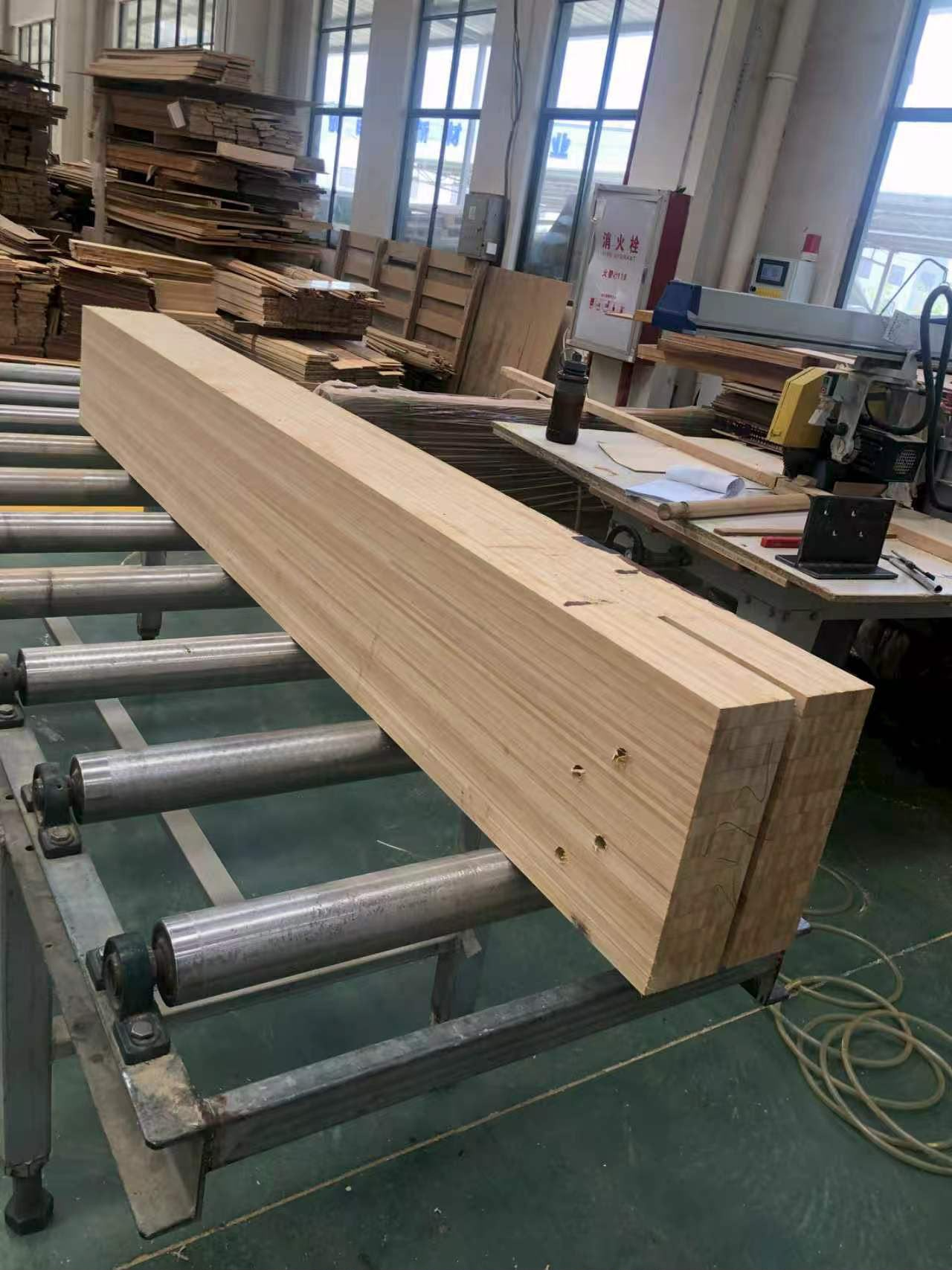
A small but growing number of Australian projects are already specifying and building with engineered bamboo, even though the material itself is still imported from established manufacturers overseas. These projects are proving out local design and construction expertise, building market familiarity ahead of a domestic supply industry.


What stands in the way?
The roadmap identifies eight interconnected barriers that need to be addressed if an Australian structural engineered bamboo industry is to develop at scale.
No coordinated commercial plantation base; existing plantations are small and largely at low or idle harvesting capacity.
Mechanised harvesting and expanded domestic processing capability are both needed to scale the industry.
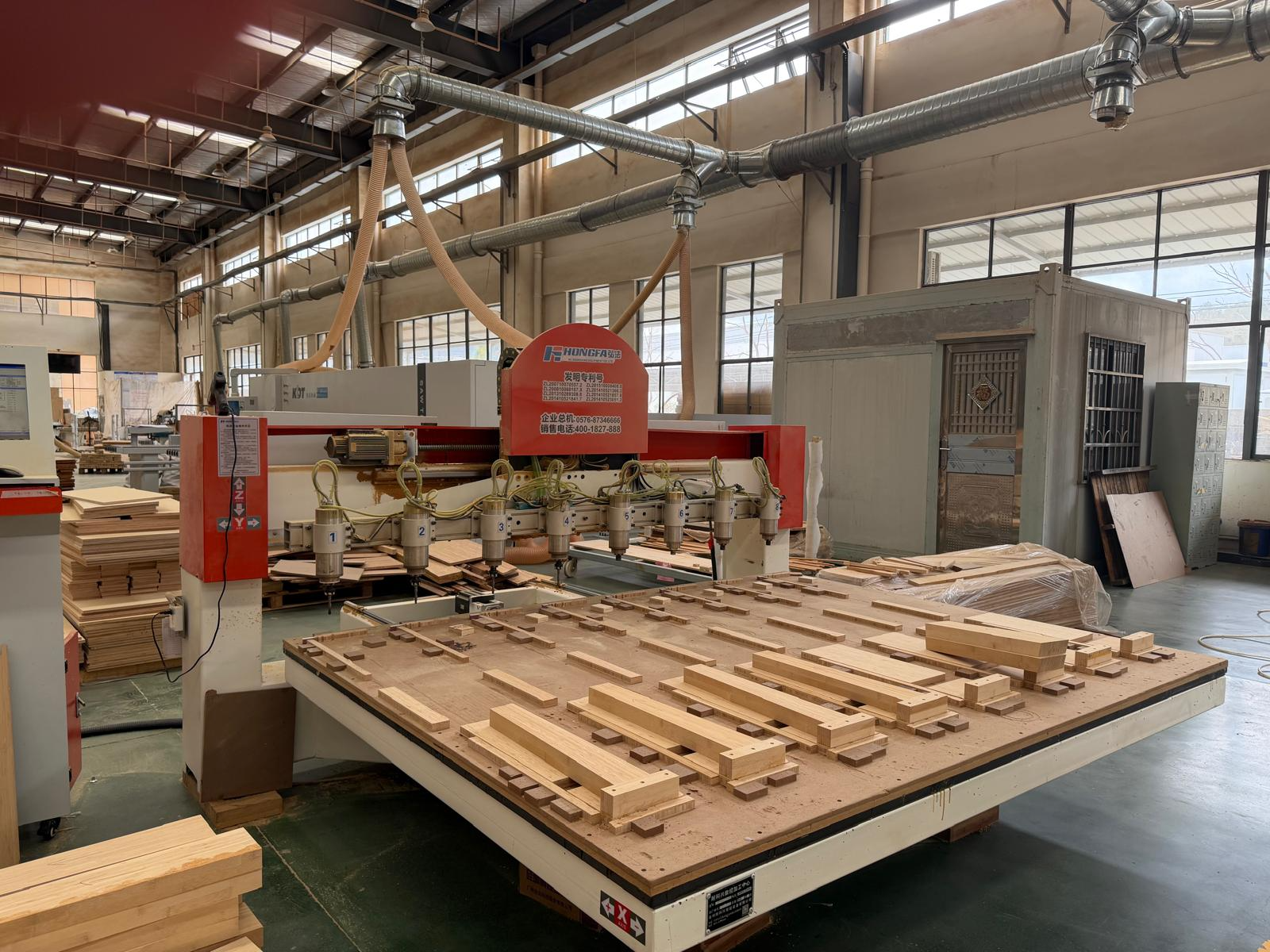
No local manufacturing capacity for structural engineered bamboo products.
No deemed-to-satisfy provisions for engineered bamboo in the National Construction Code.
Certification and evaluation pathways remain complex and costly for new entrants.
Limited familiarity among designers, builders, certifiers and clients.
Policy and funding frameworks are built around incumbent materials.
Development is not yet coordinated across the whole value chain.

Bamboo Breakthrough brings those challenges together in one ten-year roadmap, organised across five phases and six connected workstreams from 2026 to 2035.