

Workstreams
Six priority areas carry the roadmap
Each workstream sets out its purpose, priorities, recommended actions, milestones across the five phases, the people needed and related resources. Every section has its own link for use in newsletters and social posts.
Investment & Market Development
Secure funding and establish market channels for engineered bamboo in Australia.
Jump to section 02Standards, Testing & Certification
Develop the standards, testing requirements and certification frameworks that allow engineered bamboo to be specified with confidence in Australian buildings, building on Australia's performance-based code and international precedents set by mass engineered timber.
Jump to section 03Policy, Advocacy & Stakeholder Engagement
Close the gap between the evidence and the policy settings.
Jump to section 04Research, Innovation & Technology Development
Improve productivity, reduce costs and expand the commercial applications of engineered bamboo, ensuring research translates into commercial outcomes.
Jump to section 05Planting, Harvesting & Processing
Establish the plantation base and processing capability, prioritising degraded and transitioning agricultural land, and adapting existing sugarcane and timber infrastructure where practical.
Jump to section 06Carbon Recognition
Ensure bamboo's sequestration across above-ground biomass, below-ground biomass, soil organic carbon, litter and product storage is recognised in Australia's carbon accounting frameworks.
Jump to sectionInvestment & Market Development
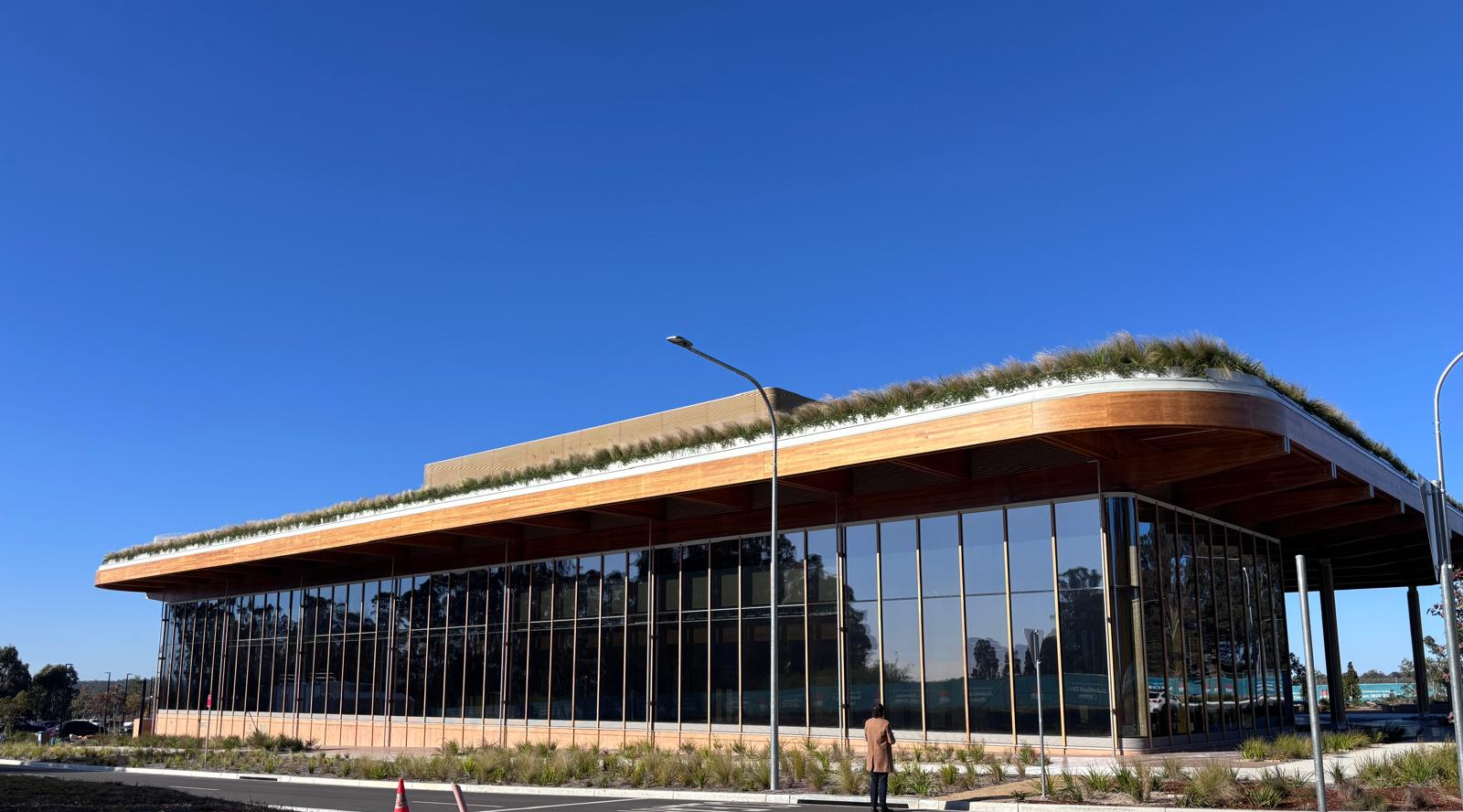
Secure funding and establish market channels for engineered bamboo in Australia. The initial market focus is prefabricated housing, using pilot projects to prove the concept, with the long-term goal of contributing to GDP through domestic sales and exports.
Priorities
- Feasibility studies and business plans capable of attracting plantation and processing investment
- Commonwealth agency engagement: Housing Australia, NRFC, NAIF, Regional Investment Corporation and CEFC
- Recognition of bamboo in Australia's Sustainable Finance Taxonomy
- Early commercial partnerships with prefabricated housing providers, framing processors, growers and developers
- Partnerships with timber mills to share processing capability
Recommendations and actions
- Establish a targeted engagement program for Commonwealth agencies, institutional investors, superannuation funds, private equity, philanthropy and carbon-market participants.
- Prepare a national investment prospectus consolidating the economic modelling, regional plantation opportunities, processing pathways, carbon benefits and government financing mechanisms.
- Develop a coordinated advocacy campaign for recognition of bamboo within sustainable finance, housing, manufacturing, regional development and carbon policy frameworks.
- Prioritise early commercial partnerships to create clear demand signals before domestic harvests begin.
Milestones across the roadmap
- Phase 1Investor and agency consultation; investment prospectus published; seed funding secured (2026–2028)
- Phase 2Anchor partnerships and early offtake pathways confirmed (2028–2029)
- Phase 3Commercial investment readiness; distribution channels built (2030–2031)
- Phase 4Domestic product launch; financing expanded for processing (2032–2033)
- Phase 5Investment scaled into plantations, processing, exports and carbon revenue (2034–2035 and beyond)
Who needs to be involved
- Government investment agencies
- Superannuation and green investment funds
- Private equity and philanthropy
- Prefabricated housing providers and developers
- Growers, processors and timber mills
Standards, Testing & Certification
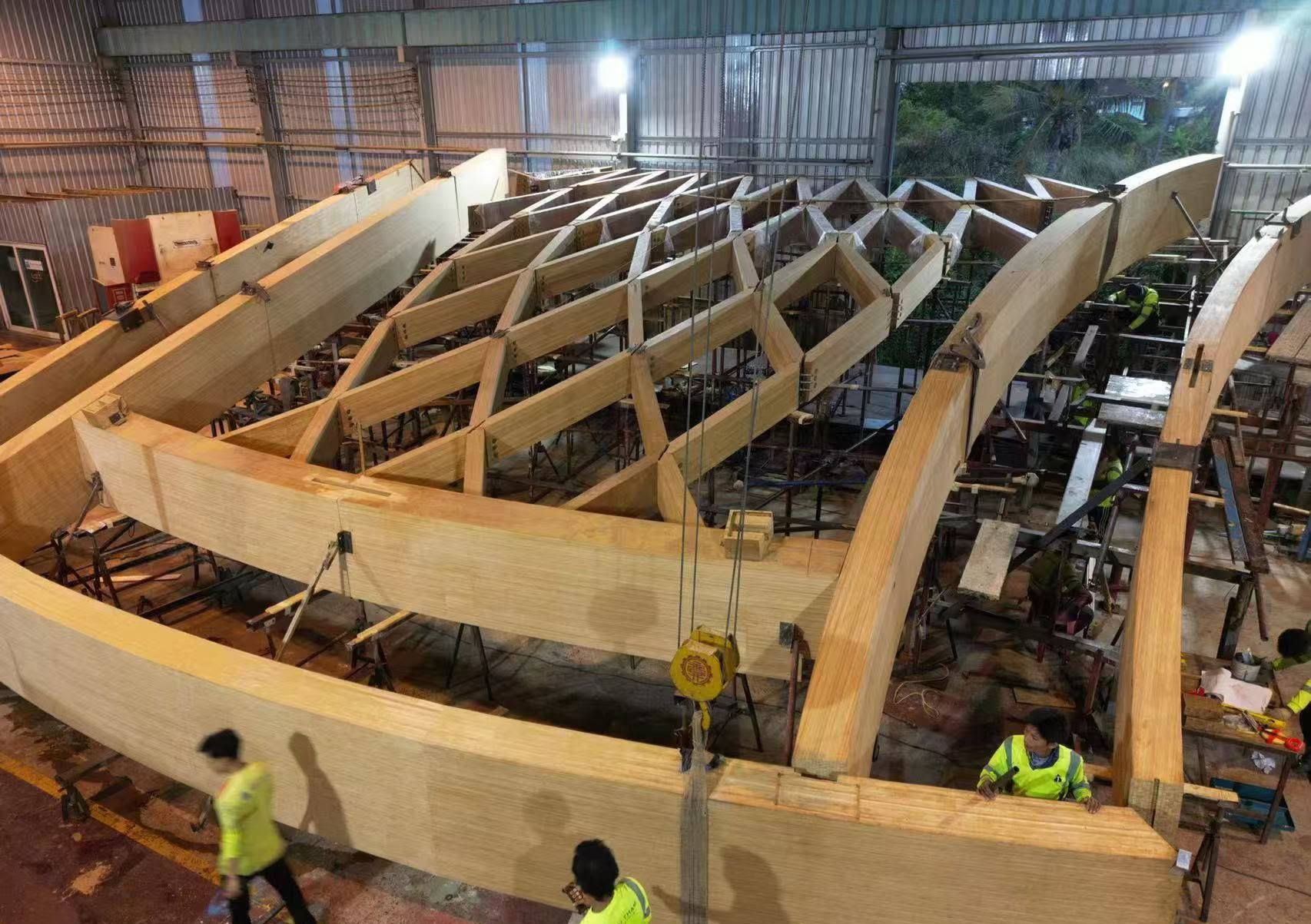
Develop the standards, testing requirements and certification frameworks that allow engineered bamboo to be specified with confidence in Australian buildings, building on Australia's performance-based code and international precedents set by mass engineered timber.
NCC evidence of suitability
Demonstrating compliance under the National Construction Code
The National Construction Code provides pathways for demonstrating evidence of suitability for building materials and systems, including where a deemed-to-satisfy provision does not yet exist.
Under NCC clause A5G3, any one of the following forms of evidence may be used to demonstrate compliance with the National Construction Code.
Demonstrates compliance with the NCC
CodeMark or CodeMark Australia Certificate of Conformity, or WaterMark Licence as appropriate
Certificate of Accreditation
Certificate issued by a certification body
Report issued by an Accredited Testing Laboratory (ATL)
Certificate of report from a professional engineer, recognised expert or other appropriately qualified person as appropriate
Other forms of documentary evidence such as but not limited to a Product Technical Statement
Evidence of suitability pathways under the National Construction Code. Figure 8: National Construction Code: A5G3 Evidence of Suitability. Source: Bamboo Breakthrough: The Next Frontier 2026–2035, Bamboo Society of Australia, 2026.
Priorities
- Performance-based compliance under the National Construction Code for the first five years (2026–2030)
- Use of International Code Council Acceptance Criteria AC162 for structural bamboo
- Australian participation in relevant ISO working groups and Standards Australia committees
- Plantation certification through FSC and Responsible Wood (PEFC)
- Life cycle assessments and environmental product declarations, and a shift to dynamic accounting methods
- Transition toward deemed-to-satisfy provisions in the NCC by 2035 or beyond
Recommendations and actions
- Partner with Standards Australia for early co-design, leveraging local ISO expertise.
- Consider developing an industry standard using international standards (ICC-ES).
- Subsidise accreditation costs for small innovators to accelerate Phase 2–3 progress.
- Use pilots and demonstration projects to build case studies supporting Phase 3–4 standardisation.
- Integrate local challenges such as termite and bushfire risk into certification processes from Phase 2 onward.
Milestones across the roadmap
- Phase 1NCC pathways, international standards and certification requirements mapped (2026–2028)
- Phase 2Imported products validated through pilots, testing and EPDs (2028–2029)
- Phase 3Plantation certification pathways and draft industry guidance (2030–2031)
- Phase 4Local performance data, LCAs and EPDs; product certification progressed (2032–2033)
- Phase 5Transition toward NCC recognition and deemed-to-satisfy provisions (2034–2035 and beyond)
Who needs to be involved
- Certification and standards bodies
- JAS-ANZ accredited bodies
- Testing laboratories and universities
- Certifiers, engineers and building surveyors
Policy, Advocacy & Stakeholder Engagement
Close the gap between the evidence and the policy settings. Fast-growing bio-based materials are largely absent from national strategic documents; this workstream positions engineered bamboo within Australia's housing, climate, circular economy and industrial development agendas.
Priorities
- Inclusion of engineered bamboo in housing, forestry, circular economy, manufacturing and climate policy
- First Nations partnership under Free, Prior and Informed Consent protocols
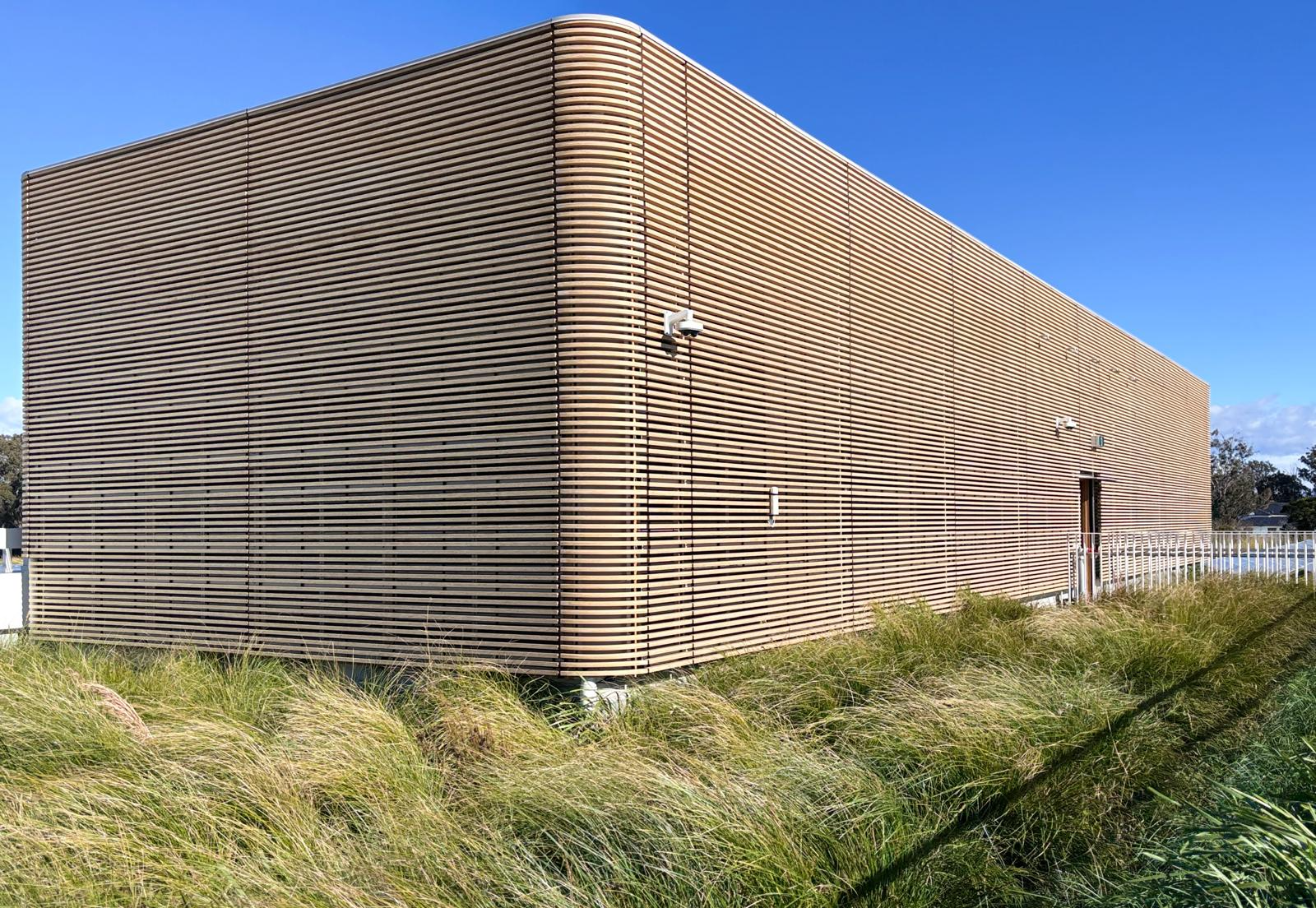
- Showcase and demonstration projects, including plantations incorporating wildlife corridors
- Engagement with the prefabrication industry and hybrid timber-bamboo systems
- Stakeholder mapping across growers, government, NGOs, industry and research institutions
Recommendations and actions
- Complete a stakeholder map and develop tailored objectives and communication points for each priority group.
- Advocate for engineered bamboo's inclusion in the National Construction Code and acknowledgement in carbon credit schemes.
- Seek tax credits, grants and R&D funding to offset plantation and processing costs, drawing on timber industry precedents.
- Build on events such as The Next Frontier Summit with ongoing dialogue, pilot projects and community outreach.
Milestones across the roadmap
- Phase 1Stakeholder consultation, policy proposals and First Nations engagement (2026–2028)
- Phase 2Early incentives implemented; INBAR and government engagement (2028–2029)
- Phase 3Pilot projects funded and promoted; community outreach (2030–2031)
- Phase 4Policy, procurement and carbon pathways aligned with first harvests (2032–2033)
- Phase 5Full regulatory alignment; bamboo positioned as mainstream material (2034–2035 and beyond)
Who needs to be involved
- First Nations Traditional Custodians and organisations
- Federal, state and territory government
- WWF Australia and other NGOs
- Peak bodies including HIA, ASBEC, MECLA and prefabAUS
- Universities and research institutions
Research, Innovation & Technology Development
Improve productivity, reduce costs and expand the commercial applications of engineered bamboo, ensuring research translates into commercial outcomes.
Research priorities at a glance
The roadmap identifies a connected research agenda spanning harvesting technology, processing, product development, construction applications, circular supply chains and soil carbon.
The roadmap's research agenda spans harvesting technology, processing, product development, construction systems and carbon measurement. Approved research priorities: establish mechanised harvesting and domestic processing capability to support 4,000 hectares of plantations by 2030, scaling to 20,000 hectares by 2035.
Priorities
- Plantation management technology and automated harvesting
- Advanced manufacturing processes and new construction products
- AI, drone and robotics trials for monitoring, yield prediction and harvesting optimisation
- Hybrid systems including cross-laminated bamboo-timber and composite products
- Shared data protocols supporting standards, certification, LCAs, EPDs and carbon accounting
Recommendations and actions
- Establish a coordinated research and innovation program across plantation productivity, harvesting automation, processing efficiency, product development and carbon measurement.
- Partner with universities, growers, processors, technology providers and construction partners to translate research into pilots.
- Develop and test new engineered bamboo products and hybrid systems, including residential framing and prefabricated systems.
- Create shared data protocols across the value chain.
Milestones across the roadmap
- Phase 1Priority research needs mapped; research partnerships established (2026–2028)
- Phase 2AI, drone, robotics and processing trials; data protocols set (2028–2029)
- Phase 3Product development for framing, prefabrication and hybrid systems (2030–2031)
- Phase 4Pilot results translated into commercial systems; performance data published (2032–2033)
- Phase 5Broadened applications and next-generation R&D (2034–2035 and beyond)
Who needs to be involved
- Universities and research institutes
- Technology and equipment providers
- Growers and processors
- Construction and prefabrication partners
Planting, Harvesting & Processing
Establish the plantation base and processing capability, prioritising degraded and transitioning agricultural land, and adapting existing sugarcane and timber infrastructure where practical.
Priorities
- Priority planting regions including former sugarcane areas in Queensland and northern New South Wales
- Clumping species selection, ensuring non-invasive growth and alignment with biodiversity goals
- Zero-soil-disturbance selective harvesting of mature culms
- Adaptation of existing sugarcane and timber processing infrastructure
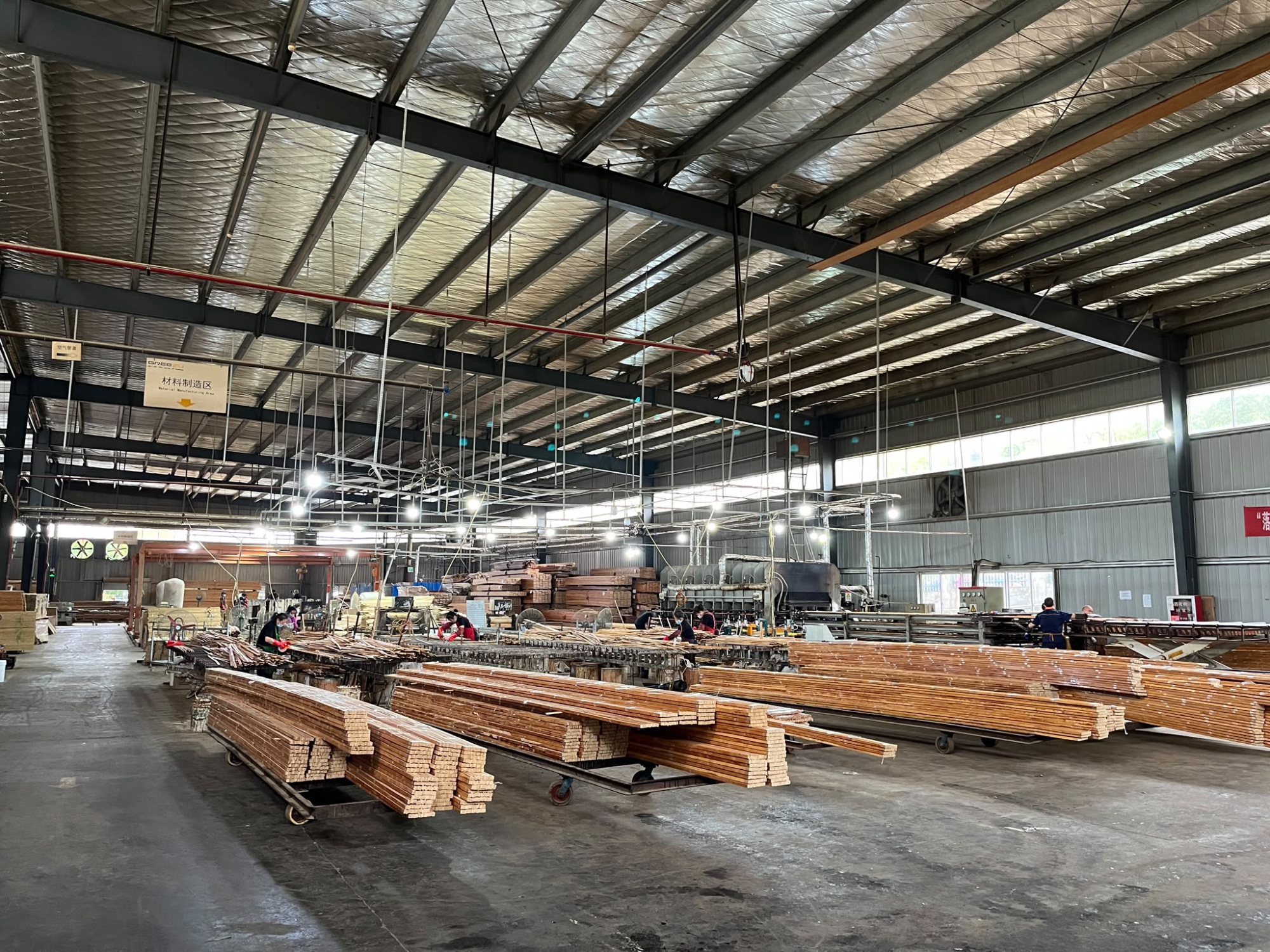
- Purpose-built processing facilities near future plantation clusters
- Grower training, workforce development and regional employment pathways
Recommendations and actions
- Establish a national plantation and processing development program prioritising degraded agricultural land, former sugarcane regions and mine rehabilitation sites.
- Undertake regional feasibility studies covering planting zones, species selection, landholder partnerships, logistics and processing locations.
- Develop pilot plantations demonstrating clumping species management, zero-soil-disturbance harvesting, biodiversity outcomes and carbon measurement.
- Integrate First Nations partnerships, grower training and regional employment into plantation and processing plans.
Milestones across the roadmap
- Phase 1Regional feasibility studies; priority sites and pilot species selected (2026–2028)
- Phase 2Pilot plantations established; adapted equipment tested (2028–2029)
- Phase 3Plantation areas increased; processing pilots and supply chains (2030–2031)
- Phase 4First domestic harvests; processing facilities commissioned (2032–2033)
- Phase 5Plantation and processing capacity scaled for domestic and export demand (2034–2035 and beyond)
Who needs to be involved
- Landholders and growers
- Nurseries and propagation businesses
- Sugarcane and timber mill operators
- Regional development bodies and local government
- First Nations land holders and organisations
Carbon Recognition
Ensure bamboo's sequestration across above-ground biomass, below-ground biomass, soil organic carbon, litter and product storage is recognised in Australia's carbon accounting frameworks, and that engineered bamboo is recognised as a distinct category in embodied-carbon rating tools and databases.
Priorities
- Recognition of engineered bamboo as a distinct category in embodied-carbon rating tools and default-factor databases, including NABERS and EC3
- Resolution of bamboo's treatment under the Soil Carbon Method with the Clean Energy Regulator
- Advancement of the proposed Bamboo Forest Carbon Quantification (BFCQ) method
- Adoption of dynamic life cycle assessment for short-rotation crops
- Alignment with international frameworks including Verra, ONCRA and INBAR
- Pilot data frameworks measuring carbon flows across plantations, harvesting, processing and products
Recommendations and actions
- Complete NABERS category recognition and EPD inclusion, and make the case for a dedicated engineered bamboo category in other tools including EC3.
- Work with the Clean Energy Regulator to clarify baseline, eligibility and zero-soil-disturbance harvesting requirements under the Soil Carbon Method.
- Advance the BFCQ method so that biomass and soil carbon can be recognised through credible accounting pathways.
- Develop pilot data frameworks measuring carbon flows across the value chain.
- Promote dynamic LCA as the preferred accounting approach for short-rotation crops.
- Use international networks, including INBAR and relevant carbon-market standards, to align with emerging global practice.
Embodied carbon recognition
Environmental Product Declarations for engineered bamboo are already available, and EPD Australasia recognises bamboo as a distinct product category. The remaining gap is recognition in rating tools and default-factor databases, where engineered bamboo can otherwise be mapped to timber or generic biomass.
NABERS has informally confirmed that it will establish an engineered bamboo category and incorporate the new EPDs into its Embodied Carbon tool and National Material Emission Factors Database, with this work expected in 2027. EC3 does not yet have a dedicated bamboo category, so the roadmap seeks equivalent recognition across NABERS, EC3 and other tools used for design, procurement and certification.
The intended outcome is for engineered bamboo to be specified and rated as a standard material pathway rather than as an exception or a timber proxy.
Bamboo Forest Carbon Quantification (BFCQ)
BFCQ is a registered ACCU Scheme method idea, lodged with the Department of Climate Change, Energy, the Environment and Water on 20 June 2024 and held for a later Expression of Interest round. No EOI round is currently open.
The proposed method is intended to address a gap in Australia's carbon accounting by recognising bamboo's particular growth and harvesting cycle. Bamboo culms typically mature in around five years and can then be selectively harvested each year without replanting. The proposed approach would recast the architecture of the Plantation Forestry method around bamboo's perennial growth cycle. Product durability and avoided emissions from substituting higher-embodied materials are separate design questions and should not be presented as assumed carbon credits.
The treatment of soil carbon also remains open. The roadmap proposes waiting on the outcome of the Soil Organic Carbon Method review, supported by local plantation data and international research, before determining whether and how soil carbon should be included.
Milestones across the roadmap
- Phase 1Soil Carbon Method eligibility clarified, BFCQ pathway progressed and pilot data requirements established; NABERS category recognition and EPD inclusion completed, expected in 2027, and the case made for a dedicated engineered bamboo category in other tools including EC3 (2026–2028)
- Phase 2Carbon measurement partnerships, baseline and pilot plantation data and dynamic LCA models; default emission factors for engineered bamboo established in the National Material Emission Factors Database, and category listing pursued in EC3 and other specification tools (2028–2029)
- Phase 3Sequestration changes measured, dynamic LCA piloted and BFCQ prepared for post-harvest implementation; the recognised engineered bamboo category used as the standard pathway in NABERS ratings and project specifications (2030–2031)
- Phase 4Verified carbon data from first harvests, ACCU and BFCQ recognition progressed and acceptance of dynamic LCA sought; embodied-carbon factors updated as Australian-grown and processed products and new EPDs enter the market (2032–2033)
- Phase 5Carbon claims integrated into product certification and market development, dynamic LCA recognition finalised, long-term carbon outcomes monitored and category listings and emission factors maintained as the industry develops (2034–2035 and beyond)
Who needs to be involved
- Clean Energy Regulator and DCCEEW
- NABERS, EC3 and EPD Australasia
- Carbon method developers and ACCU managers
- INBAR and international carbon-market bodies
- Universities and measurement partners
- Growers and processors supplying pilot data

Where could you fit into the Breakthrough?
Every workstream needs growers, manufacturers, designers, researchers, investors and government partners.